Walk into a modern dental clinic and you will see more than gleaming instruments and tidy operatories. The real change sits in the software behind the front desk, the sensors tucked into small devices, and the way trained hands use both to provide care that is faster, safer, and more predictable. I have watched anxious patients relax after they see a hairline crack on a high‑resolution image and understand, in seconds, what used to take five minutes of explanation. I have also seen an Emergency dental service run smoothly on a busy Saturday because digital records, triage protocols, and teledentistry saved a patient from a needless trip. Technology is the tool. Judgment, communication, and clinical skill still decide the outcome.
This tour focuses on the core systems and techniques that define current practice: diagnostics that actually guide treatment, digital planning that makes restorative dentistry more precise, materials that last longer, and workflows that respect both biology and time. The goal is not to dazzle with gadgets. It is to show how the right technologies help Dentists and specialists deliver reliable results in areas that matter most to patients, from Root canal therapy and Tooth extraction to Cosmetic dentistry, Braces, and Dental implants.
The front desk is now a data engine
Strong clinical care starts with information. Most dental clinics have moved from paper charts to cloud‑based practice management platforms. That shift sounds boring until you measure its effects on care.
Good systems unify medical histories, medications, allergies, radiographs, periodontal charts, photos, and consent forms. Rules inside the software flag drug interactions, pregnancy, bisphosphonate use, and anticoagulants before a Tooth extraction or surgical placement of Dental implants. I have seen this catch a patient on dual antiplatelet therapy, prompting coordination with a cardiologist and a modified plan that avoided bleeding complications.
Smart scheduling reduces wait times for urgent issues. When a patient calls an Emergency dentist london ontario line at 8 p.m. with severe pain, the triage note, radiograph request, and provisional diagnosis are already in the chart when they arrive. Digital intake saves 10 to 15 minutes and lets the Dentist get to anesthesia and relief quickly.
Teledentistry adds reach. A cracked Denture in a rural setting or a child with a knocked‑out incisor can be evaluated by video to determine whether to replant, splint, or hold until morning. It is not a replacement for chairside care, but it narrows the window between injury and action.
Imaging: seeing is deciding
Dentistry relies on the ability to see inside hard and soft tissue. The jump from film to digital radiography halved radiation dose and sharpened detail. The next jump came with 3D imaging.
- Quick snapshot of common modalities: Intraoral digital radiographs: tiny sensors, high detail for caries and periapical changes. Panoramic radiographs: big‑picture view of jaws, sinuses, erupted and unerupted teeth. Cone beam computed tomography (CBCT): 3D anatomy with sub‑millimeter resolution. Intraoral cameras: magnified color photos that help patients understand conditions.
This is the first of two lists by design, because the names can blur together. In daily practice, each has a role. A bitewing image still detects early interproximal decay. A panoramic image can quickly survey wisdom teeth positions before a Tooth extraction consult. CBCT earns its keep when proximity to the inferior alveolar nerve, sinus anatomy, or root morphology could change the plan. I do not prescribe CBCT for every case, but I do rely on it for complex Endodontics, implants, and pathology.
A CBCT scan for a Root canal retreatment, for instance, can locate a missed MB2 canal in an upper molar that looks fine on 2D film. In implant work, the software lets you drop in a virtual implant, gauge bone density, visualize undercuts, and design a surgical guide that controls angle and depth to fractions of a millimeter. That precision lowers the risk of perforation, sinus involvement, or nerve injury. When patients search for a Dental implants periodontist or a Dentist london ontario who can deliver predictable results, they often do not realize how much of that predictability comes from this pre‑planning.
Photography is not just for marketing. Good shade photography with cross‑polarization helps a lab create Porcelain veneers that match the texture and translucency of neighboring teeth. A close‑up photo of a cracked amalgam tells a story a radiograph cannot, and it is usually the moment a reluctant patient understands why a crown or onlay beats another small filling.
Scanners and printers: from impression to reality
If you gagged on a tray of impression material back in the day, you will appreciate intraoral scanners. These hand‑held wands capture millions of points of data and stitch them into a 3D model of the teeth and soft tissue. Accuracy has reached the point where well‑taken scans rival polyvinyl siloxane impressions for single crowns and short bridges, and they shine for digital study models, occlusal guards, and clear aligner planning.
On the lab side, computer‑aided design and manufacturing (CAD/CAM) lets us mill or print restorations from ceramics and hybrid materials with controlled fit and strength. A single posterior crown can be scanned, designed, milled, and bonded in one visit, saving a second shot of anesthesia and a second day off work. There are limits. Full arch Prosthodontics still favors well‑made conventional impressions or segmented digital protocols, and I prefer lab‑fabricated esthetic work for multi‑unit anterior cases. Still, for everyday care, digital dentistry trims time and sources of error.
3D printing has moved past models into surgical guides, temporary crowns, occlusal splints, and even customized trays for Teeth whitening. Resins are improving year by year. I still use a lab for final esthetics, but I can fabricate a durable, well‑fitting temporary in an hour that protects the tooth and shapes tissue for a natural emergence profile.
Lasers and light: not a gimmick when used well
Dental lasers earned a reputation for over‑promising in the early years. Today, with better wavelengths and training, they have clear indications. Soft‑tissue lasers in the 810 to 1064 nm range excel at precise gingival contouring, frenectomies, and troughing for impressions with minimal bleeding. Hard‑tissue lasers can remove small carious lesions in enamel and dentin. I do not use them for every cavity, but for a nervous child with a shallow pit, a laser can eliminate the whine of a handpiece and sometimes avoid anesthesia.
Photobiomodulation, low‑level light therapy in the red and near‑infrared spectrum, has evidence for reducing post‑op discomfort and accelerating soft‑tissue healing. It is not magic, and parameters matter, but in my hands it has shortened recovery after soft‑tissue surgery and implant uncovering.
Curing lights are the quiet workhorses. Modern high‑intensity LED units cure composite resins more reliably. Curing depth, heat, and angle still matter. I have seen under‑cured composites fail early, so we measure output, keep lenses clean, and use proper layering.
Endodontics: Root canal therapy with a higher batting average
Root canal procedures used to be blind work with thin files and x‑rays. Magnification changed that. Operating microscopes let us locate calcified canals, treat microfractures, and clean more thoroughly. Electronic apex locators measure canal length electrically, improving accuracy and reducing the number of radiographs.
Nickel‑titanium file systems, many with heat‑treated alloys, flex through curved canals, lowering the risk of ledging or transportation. Irrigation protocols now include agitation with sonic or ultrasonics to disrupt biofilm. In a typical molar with four canals, these steps turn a forgettable outcome into a tooth that stays comfortable for years.
I schedule longer blocks for complex molars and charge accordingly, because rushing leads to missed anatomy. When a patient with relentless night pain lands in an Emergency dentist london chair, a proper pulpotomy with bioceramic materials can calm the tooth until full treatment, often without opioids. Good diagnostics, isolation, and patience matter more than any gadget, but the modern toolkit lets you deliver relief in a measured, reproducible way.
Restorative dentistry: materials that respect teeth
Composite resins and adhesives have improved enough that conservative dentistry is now standard. Where we once cut big mechanical preparations for amalgam, we can now bond small, strong restorations with minimal tooth removal. Key advances include universal adhesives with simplified steps and bulk‑fill composites that reduce chair time without sacrificing depth of cure in most posterior cases.
Ceramic onlays and crowns cut the failure rate of large composites under load. Lithium disilicate balances esthetics and strength for many indications. For back teeth with heavy forces, zirconia crowns hold up with low fracture rates. This is where scanners and milling units add value, but only if the preparation follows principles that preserve enamel for bonding and avoid over‑reduction.
The humble filling still matters. I see recurrent decay not because composites are bad, but because moisture control failed or contact and contour were off. Rubber dam use is not glamorous, yet it drives better outcomes in both fillings and Root canal procedures. Technology helps, but discipline wins.
Periodontics and Dental implants: planning, biology, and follow‑through
Implant dentistry benefits from the full digital stack: CBCT for anatomy, scanners for soft tissue, and guided surgery for precise placement. A Dental implants periodontist or a general Dentist trained in implants will often stage treatment to respect biology. If bone is thin, a graft may precede placement. If the soft tissue lacks keratinized width, a graft at the right time improves long‑term health and cleansability.
Guided surgery is not a crutch. It translates digital planning into a physical tool that keeps a handpiece within a safe, preplanned path. In the posterior mandible, that control protects the nerve. In the anterior maxilla, it keeps angulation within a narrow esthetic window to avoid show‑through or recession.
Maintenance is where success is won. Implants can get peri‑implantitis, a destructive inflammatory condition. Hygienists trained to use implant‑safe tips and polishing agents make a difference. Patients need a simple rule: treat an implant like a high‑value tooth, with routine Dental exams, Teeth cleaning, and home care tuned to threads and contours. I have seen a beautiful implant fail in three years from neglect and a modest one thrive for decades because the patient and Dental hygienist had a plan.
For those comparing providers, phrases like Dental implants london ontario or Dentist london ontario are just search terms. What matters is that the clinic shows you a transparent plan, discusses risks and alternatives, and demonstrates outcomes with photos and data. Ask who plans the case, who places the implant, and how they coordinate with the lab.
Orthodontics: Braces, aligners, and myofunctional influences
Orthodontic braces remain the gold standard for complex movements, open bites, impacted canines, and cases needing precise torque and rotation control. Clear aligners handle many mild to moderate malocclusions with good compliance. Digital models and simulation tools visualize movement stages, which helps with consent and expectation setting.
An overlooked piece is airway and function. Myofunctional therapy, a series of exercises and habit retraining for tongue posture, lip seal, nasal breathing, and swallow patterns, can support orthodontic results and reduce relapse. It is not a substitute for Braces or aligners. It is a partner when oral habits push teeth out of place. A child with a chronic open mouth posture and low tongue position may benefit from therapy alongside palatal expansion. As with all adjuncts, the therapist’s training and the patient’s commitment determine value.
Surgery: wisdom teeth and extractions with fewer surprises
Tooth extraction can be straightforward or fraught, and the line often depends on three things: pre‑op imaging, atraumatic technique, and medical management. A simple periapical radiograph may suffice for erupted teeth, while a conical or curved root hints at the need for sectioning. For impacted wisdom teeth close to the nerve canal, a limited field CBCT clarifies risk. I prefer to show patients the overlap on a 3D slice and discuss sensation changes honestly. That conversation prevents misunderstandings more than any consent form.

Piezoelectric units that cut bone with ultrasonic vibration, rather than rotary burs, protect soft tissue and nerves. They are slower on dense bone but shine in delicate areas. For routine extractions, periotomes and physics forceps reduce socket trauma and preserve bone for future implants. Post‑op recovery improves when the socket is managed thoughtfully, from gentle curettage to hemostatic agents and, when indicated, socket grafting.
Medical issues drive adjustments. A patient on warfarin with stable INR might proceed with local hemostatic measures, while someone on newer agents may benefit from timing the dose and using tranexamic acid. Technology sets the stage, but communication with the patient’s physician and respect for their systemic health carry the day.
Hygienists at the center: prevention is a technology too
A skilled Dental hygienist is the quiet backbone of a clinic. Ultrasonic scalers with adjustable power settings, fine hand instruments that actually fit the pocket, and air polishing units that remove biofilm without scarring enamel make preventive care more effective and comfortable. Caries risk assessment tools and salivary tests help tailor recall intervals and fluoride strategies. For patients with root sensitivity, newer varnishes and desensitizers give relief that lasts weeks to months.
Education is not a lecture anymore. A quick intraoral photo of bleeding points, calculus, or a cracked cusp turns a vague admonition into a specific goal. I have had patients change habits overnight after seeing a simple, magnified image of plaque hiding behind a lower anterior retainer.
Cosmetic dentistry without the hard sell
Cosmetic dentistry is best when it harmonizes with health and function. Teeth whitening, Porcelain veneers, bonding, and minor tooth repositioning can elevate a smile, but each carries trade‑offs. Good planning begins with shade analysis, gum symmetry, and bite evaluation.
Teeth whitening has two reliable paths: in‑office hydrogen peroxide gels activated by light to accelerate the session, and take‑home trays with carbamide peroxide worn for 30 to 90 minutes over one to two weeks. In‑office gets a jumpstart with strong gels, then trays sustain results. Overuse leads to sensitivity. I tell patients to expect transient zingers and to pause a day or two if needed. Search terms like Teeth whitening london ontario or Teeth whitening london will yield dozens of offers. Look for providers who evaluate restorations first, since crowns and fillings do not lighten, and who discuss realistic end shades.
Porcelain veneers are thin but not magic. They require enamel removal, typically 0.3 to 0.7 mm, to avoid bulky edges. When enamel dominates the bonding surface and occlusion is controlled, veneers can last a decade or more with proper care. I show patients mock‑ups or digital previews, then a provisional phase to test esthetics and speech before final ceramics. A Cosmetic dentist should be comfortable saying no when parafunction, erosion, or untreated decay would doom the case. For some patients, conservative bonding or orthodontic refinement beats aggressive veneering.
Dentures with digital help
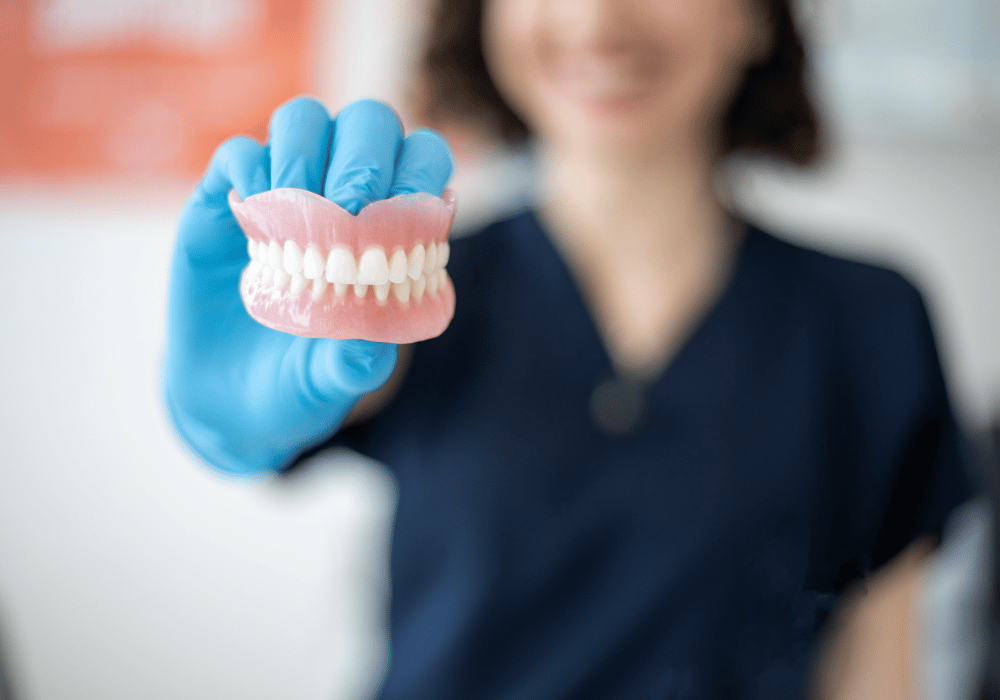
Complete and partial dentures have long relied on skillful impressions and jaw relation records. Digital tools add value by scanning reference dentures, recording jaw movements more precisely, and printing try‑ins that patients can test at home. I still take careful conventional impressions for many edentulous arches, but I value the ability to iterate quickly.
Stability and comfort matter more than any promise of a “digital” denture. Tissue conditioning, border molding, and post‑insertion adjustments remain human crafts. When implants support an overdenture, even two implants in the mandible can transform function. For those comparing Dentures london ontario providers, ask about post‑delivery visits, repair turnaround, and how the clinic handles relines as tissues change.
Sedation and comfort: technology calms more than nerves
Local anesthesia delivery systems with computerized flow control reduce the sting. Topical anesthetics with better carriers actually penetrate for shallow work. For anxious patients, oral sedation or nitrous oxide lowers arousal without deep sedation risks. In select cases, IV sedation under proper monitoring lets the team complete comprehensive work safely.
Noise management is an underappreciated technology. Quiet handpieces and isolation devices that reduce suction roar make a long appointment feel half as long. Small touches, like warmed anesthetic and bite blocks that fit, turn a tough appointment into an acceptable one.
Safety, sterilization, and air quality
Sterilization has always been a core promise. Automated instrument washers, wrapped cassettes, and Class B sterilizers with printed cycle logs reduce human error. Biological spore testing verifies performance. During respiratory illness seasons, high‑volume evacuation with isolation devices removes aerosol at the source, while HEPA and UV air units add a second layer. Systems are only as good as adherence, so we train and audit.
When things go wrong: resilience built into the system
No technology prevents every failure. A crown can debond, an implant can lose bone, a Root canal can flare up. The difference in a modern clinic is how quickly the team sees the issue and adjusts. Digital notes tie a patient’s symptom call to the exact material used, the cement brand and batch, the torque values, and the post‑op instructions given. A photo and radiograph in the same hour guide the fix. If you need an Emergency dentist london or Emergency dentist london ontario, you want that level of traceability in your corner.
What to look for when choosing a dental clinic
https://paradigmdental.ca/our-dental-care-services/dental-implants/Patients often ask how to separate sizzle from steak. Skip buzzwords and focus on whether the clinic’s tools and habits translate to better decisions and smoother care.
- Practical signs of a well‑equipped, well‑run dental clinic: The team shows images on screen and explains findings in plain language. Preventive care is prioritized with individualized recall and risk assessment. Surgical and restorative plans include digital previews or guides when appropriate. The clinic tracks outcomes and welcomes questions about materials and options. Emergency access is clear, with same‑day protocols and follow‑up.
That is the second and final list here, kept short for clarity. Everything else can be felt in how the team moves and speaks. A Cosmetic dentistry london provider who photographs before, during, and after a case, and who invites your input on shade and contour, likely cares as much about function as looks. A Dentist who discusses why an implant is better delayed for bone healing, or why a filling should be small rather than heroic, values longevity over quick wins. Whether you search Dentists london ontario, Dental clinic london, Dentist london, or Dental clinic london ontario, the same principles apply.
A day in care: two brief vignettes
A young professional arrives for Teeth cleaning, anxious after years of sporadic visits. The Dental hygienist takes four bitewings and a panoramic image. The software flags generalized bleeding points and a few 5 mm pockets. An intraoral camera shows plaque around a bonded lower retainer. Education becomes a conversation rather than a lecture. The hygienist uses ultrasonic scaling at low power with fine tips and finishes with glycine air polishing for biofilm. A risk‑based recall is set at four months, and the Dentist schedules a small filling and a nightguard consult to address early wear. The patient later asks about Teeth whitening london ontario. A shade photo and sensitivity history lead to a take‑home tray plan with a desensitizer. Six weeks later, the shade matches the goal, and the patient stays on four‑month maintenance. No drama, just technology and attention working quietly.
An older patient calls an Emergency dental service on a Sunday with throbbing pain and swelling near a lower molar. Triage collects a brief medical history, including diabetes controlled with metformin. At the clinic, a limited CBCT reveals a large periapical lesion and a missed distal canal from a prior Root canal years ago. Vitals show a low‑grade fever, and the soft tissue is fluctuant. Under local anesthesia, incision and drainage are performed, a pulpotomy placed with a bioceramic material, and the patient is instructed on warm rinses. Because of the diabetes and swelling pattern, an antibiotic is prescribed with advice on glucose monitoring and warning signs. The follow‑up visit includes a microscope‑assisted retreatment. Within days, swelling resolves. The record shows each step, each material, and the exact diagnosis, ready for future reference.
The human factor never leaves
Technology in dentistry works when it disappears into good habits. A scanner is only as useful as the retraction that reveals margins. A CBCT only helps if someone studies it with intent. A beautiful set of Porcelain veneers endures when occlusion, parafunction, and maintenance are respected. Every Dentist, from a Cosmetic dentist focused on smiles to a surgeon placing Dental implants london, builds outcomes on three pillars: clear diagnosis, thoughtful planning, and careful execution. The tools simply widen the margin for success.
If you have not seen a dental clinic in a few years, expect a calmer experience, more visuals, and fewer impressions that make you gag. Expect your questions to be answered with images and specifics. Whether you come for Orthodontic braces, a dental exam, a filling, or Dentures, the best clinics use technology to give you time back, preserve tooth structure, and keep surprises small. That is the quiet revolution hiding in plain sight, and it is the standard you should expect anywhere, from Cosmetic dentistry london ontario practices to neighborhood family clinics that still pick up the phone on Saturday.